Shayan Fallahi, May 2023
The conflict in Ukraine is often framed as either an example of Russian aggression and imperialism or a valid response to a Western-led security threat emanating from Kyiv. However, the critical factor of Russia’s national identity and how it has impacted its foreign policy has often been underplayed or ignored. This article will analyse the components of Russia’s national identity and how it has compelled Russia to military action in Ukraine.
Russia’s national identity has played a key role in Russia’s war against Ukraine. Though a coherent National identity has been a difficult prize for the Russian Federation to ascertain, under Putin, a mix of nationalistic ideologies has come to dominate the state and the thinking of the Russian government. These national identities have played an essential role in causing Russia’s military action against Kyiv.
National identities guide nations and can dictate their behaviours in the international system. This reality is best explained by constructivist international relations theory, which suggests states construct a unique vision of international relations and operate according to that understanding (Agiouse, 2019). Russia is no exception, and the National identities which would come to dominate the new Federation would lead it to form exceptionally hostile policies towards Ukraine. These national identities were a mix of Russian Slavic, Union and Language nationalism (Tolz, 1998) (Taras Kuzio, 2016).
Russian language-based national identities suggest that all Russian speakers should be united in one state. Ukraine holds millions of Russian speakers. This factor led Putin to claim in 2008 that Ukraine was an “artificial state” as it contained “seventeen million Russians”(Taras Kuzio, 2016).
Russian Slavic national identity contends that the Slavic peoples should be united. It encourages the notion that Ukraine and Russia must be one state as they were separated illegitimately. This aspect seemed to play a less significant role in the official reasons for Russia’s invasion, as Putin stated in his official speech that “It is not our plan to occupy the Ukrainian territory”, but he had also consistently claimed that Ukraine was artificial and had already seized Crimea and parts of the Donbas and would later annex whole regions of Ukraine. So, this aspect of Russian national identity has also influenced Russia’s aggression toward Ukraine.
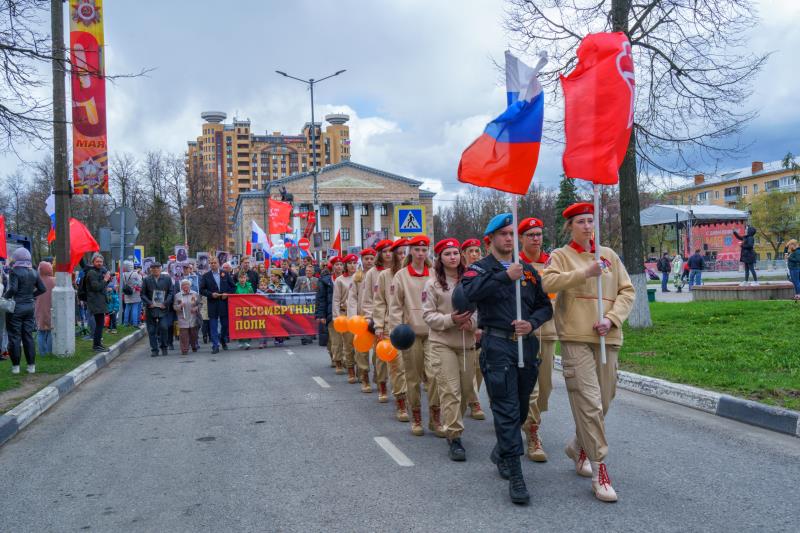
Finally, the union identity suggests that those in the Soviet Union were multi-ethnic superstates with a history of greatness and resistance, and so should be united again. This aspect’s importance in Russia’s aggression towards Ukraine is especially significant. Russia believes it has a right to regain the global power won by the Soviet Union and its historical struggles against Nazi tyranny. This concept took centre stage in Putin’s February 24th speech justifying the invasion of Ukraine, where he stated, “The outcomes of World War II and the sacrifices our people had to make to defeat Nazism are sacred”. It also contended that Neo-Nazis were influencing Ukraine. Indeed, Russia put this factor centre stage in its 2023 “Concept of Foreign Policy” paper, where it stated that its “decisive contribution to the victory in World War II” was a “unique mission” which granted it legitimacy in the international area. This emotional connection to the second world war has been illustrated by the German and Soviet symbols used by both armies in the conflict despite neither side expressing widespread communist or Nazi sympathies.
Despite the clear evidence of Russian national identity factors exacerbating Russian hostility to Kyiv, some contend that Russia’s national identity played only a junior role in its war against Ukraine. Advocates of this view contend that Russia invaded due to valid security threats from NATO.
This represents the popular neo-realist understanding of Russia’s invasion of Ukraine. Neo-realism contends that states generally seek security and will act aggressively to achieve this (Waltz, 1979). Scholars such as Mearsheimer have suggested that Russia has behaved in line with this understanding as American hegemony, demonstrated by the eastward expansion of NATO, represents a valid threat to Russia. Mearsheimer also contends that this threat has played a significant role in Russia’s armed aggression towards Ukraine. As a result, Russian national identity may have been irrelevant in pushing it to war with Ukraine as the realities of the international system and Western aggression would force its hand in this manner regardless. Indeed, Putin began his February 24th invasion speech by asserting that the “eastward expansion of NATO” was his “biggest concern” supporting the validity of this claim.
However, this argument makes little sense. Ukraine was not about to join NATO. Indeed, even if it had joined NATO, it would not extensively escalate the threat NATO posed to Russia, considering the bordering Baltic states had already joined NATO and so had Finland more recently without eliciting a military response. The critical difference was that Ukraine plays an essential role in Russia’s national identity, whereas the Baltic states and Finland do not. Consequently, a Ukrainian admission into NATO and other Western bodies would have provided an unacceptable emotional blow to Russia’s national identity, not a security catastrophe. Even Mearsheimer conceded that Russia’s 2022 invasion of Ukraine was at least partially caused by national identity factors. (Edinger, 2022). Accordingly, National identity has primarily motivated Russia’s aggression towards Ukraine, not security.
In conclusion, the mix of Language, Union and Slavic nationalism has created a powerful national identity based on Russia regaining its great power status while reuniting the Slaivic and Russian-speaking people under the sovereignty of a central Russian authority. The Ukrainian state, which was part of the USSR, is Slavic, contains Russian speakers but wishes to move away from Russian control, represents an unacceptable contradiction to this Russian nationalist ideology, which has become deep-seated in the Russian government. Therefore, though some argue that security is a more important reason behind Russia’s invasion of Ukraine, this article contends that Russia’s modern National identity has been a more essential factor propelling Moscow’s actions.